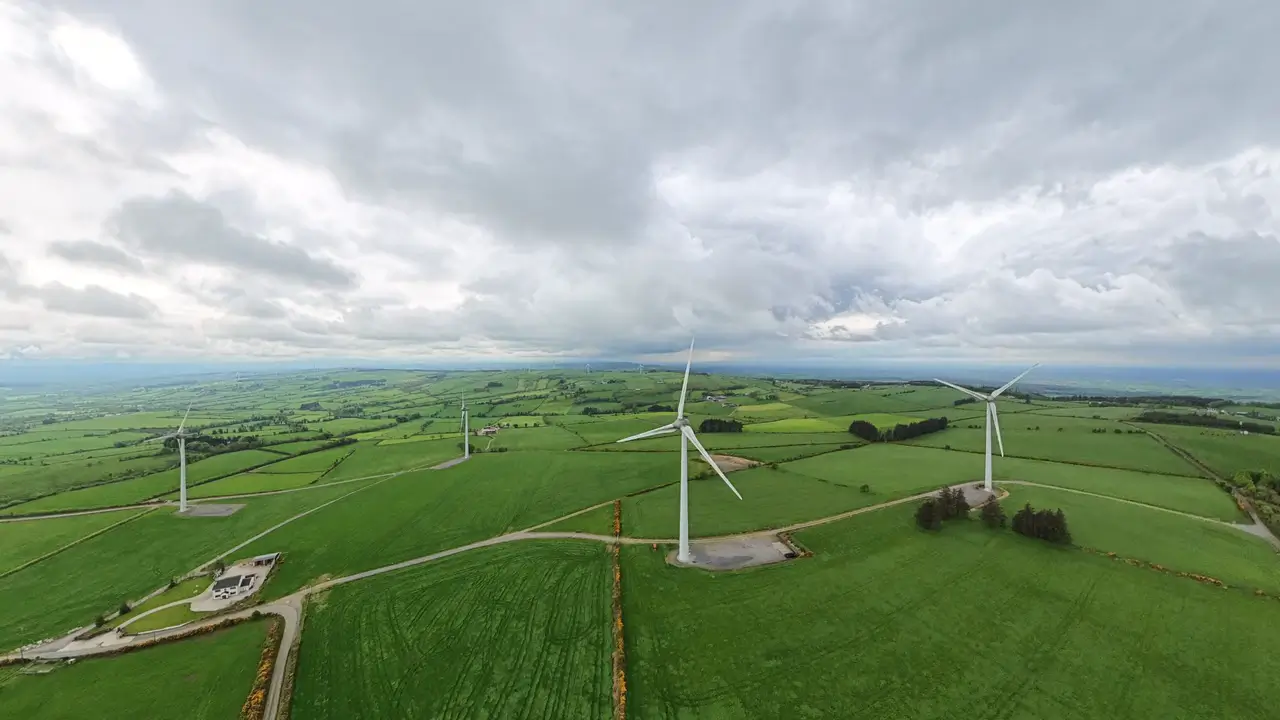

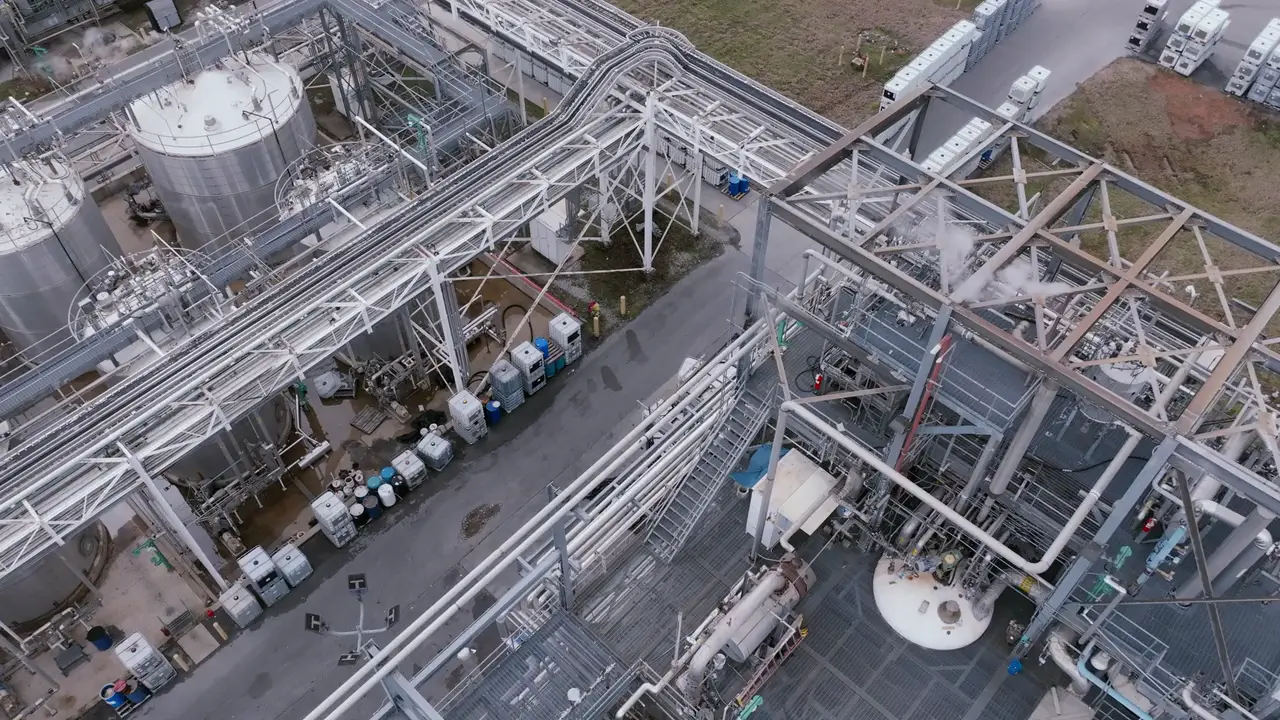
Renewable energy equipment, sourced and moved
Solar, wind, hydrogen and biomass: equipment sourcing, supplier evaluation and shipment coordination for developers, EPC contractors and industrial buyers.

A supply-chain role, described accurately.
The renewable transition is, for most buyers, a procurement and logistics problem. The technology is proven; the difficulty is assembling a correctly specified, compatible equipment package and getting it to site in the right sequence at a workable cost.
That is the work Tristar does here: sourcing equipment against a technical specification, evaluating suppliers against it, agreeing commercial terms, and coordinating the freight. We do not design plant, install systems, manufacture equipment or operate generation assets, and nothing on these pages is written to suggest otherwise.
Why the sourcing side is where the friction is.
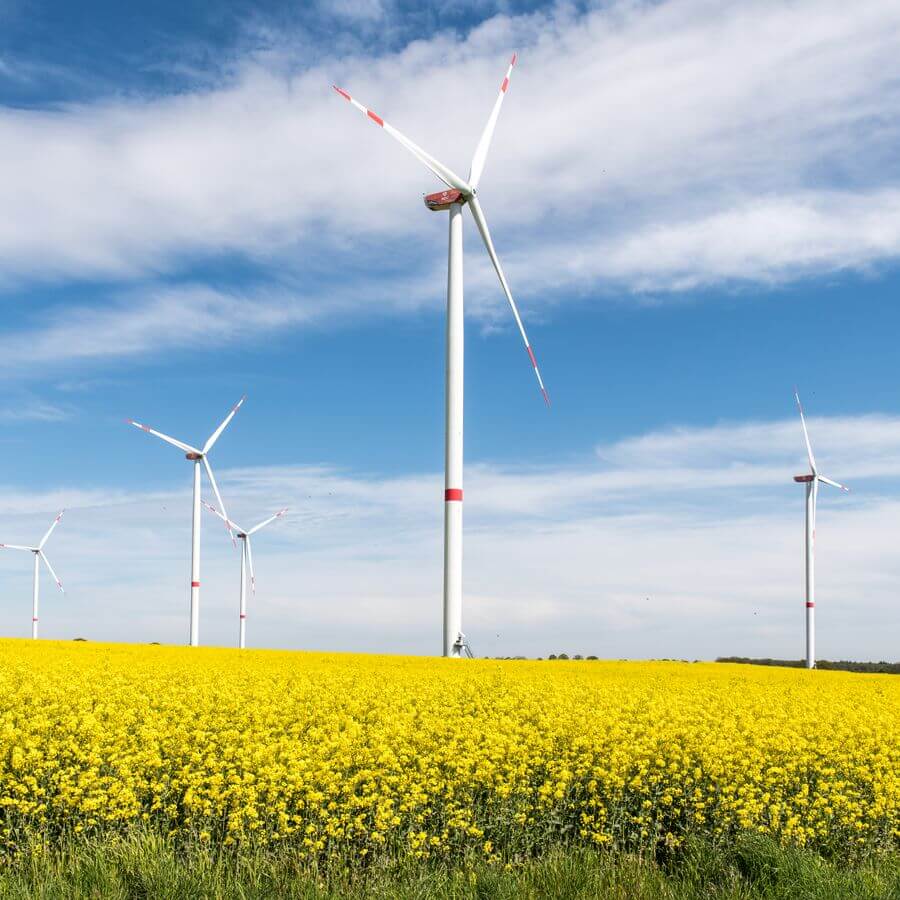
Renewable capacity has grown into a mainstream part of energy investment worldwide, and solar and wind are cost-competitive with conventional generation in many markets. Equipment supply chains, meanwhile, remain concentrated, and lead times and pricing move with demand in ways that catch buyers out.
For an industrial buyer or developer, that means the commercial and logistics work around an order matters as much as the technical selection. Specification, compatibility, lead time and freight are what decide whether a project lands on programme.
Four technology areas.
Four technology areas, each with its own page covering the equipment categories, how supply is handled, and where the technology genuinely stands.
Solar
PV modules, inverters, battery storage, mounting and balance-of-system components for every scale of array.
Explore solarWind
Turbine components, towers, electrical balance of plant and the project-cargo movement that goes with them.
Explore windHydrogen
Electrolysers, compression, storage and handling equipment, with an honest read on where the market is.
Explore hydrogenBiomass
Agricultural residues, pellets and briquettes traded on calorific value, plus processing equipment.
Explore biomassWhat a supply enquiry actually gets.
-
01
Specification review
We take the technical specification and confirm what it requires before sourcing against it.
-
02
Supplier evaluation
Equipment compared against the stated requirement, with the differences set out rather than smoothed over.
-
03
Compatibility
Package-level checks so components arrive able to work together, not just individually correct.
-
04
Commercial terms
Price, payment terms, warranty conditions and lead time agreed in writing against the equipment list.
-
05
Shipment
Freight arranged through the shipping desk: containerised, break-bulk or project cargo as the equipment requires.
-
06
Documentation
Datasheets, test certificates and customs documentation prepared for the destination market.
What a trading house adds to an equipment order.
-
Sourcing discipline
The same specification-first habit the commodity desk works to, applied to equipment lists.
-
Logistics in-house
Renewable equipment is awkward, heavy and sometimes oversized. The shipping desk handles that rather than passing it on.
-
Honest technology positioning
Where a technology is still developing commercially, these pages say so instead of selling past it.
-
One commercial thread
Equipment and its movement contracted through a single counterparty, so lead times and delivery sequence reconcile in one place.
The part worth being careful about.
Renewable equipment supply supports decarbonisation, and that is a fair thing to say. What would not be fair is attaching numbers to it: avoided emissions, installed capacity or project counts that have not been measured.
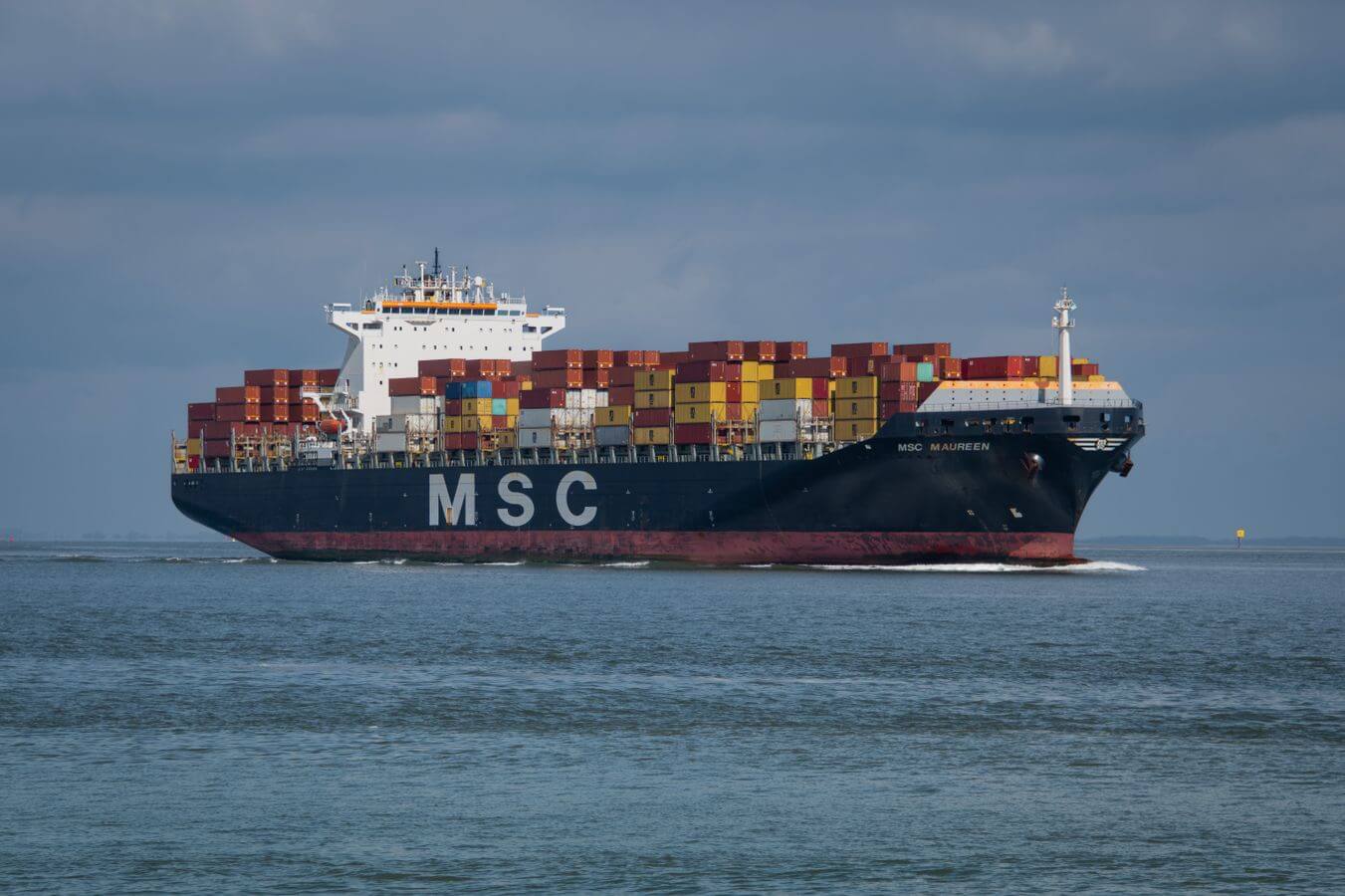
So the position here is deliberately plain: Tristar sources and moves equipment that displaces fossil generation, and leaves the impact claims to the projects that can actually evidence them.
The other business areas work to the same standard.
One counterparty for the cargo, the plant and the tonnage, handled by desks that talk to each other daily.
What project buyers ask us.
What does Tristar actually do in renewable energy?
Equipment sourcing, supplier evaluation, commercial coordination and shipment. We procure equipment against a technical specification and arrange its movement to site.
Do you design or install renewable systems?
No. Design and installation stay with your engineer or EPC contractor. We supply against the specification they set, and will flag gaps in a specification rather than fill them ourselves.
Do you manufacture any of this equipment?
No. Equipment is manufactured by the producers we source from, and their datasheets, test certificates and warranties travel with the shipment.
Which technologies do you cover?
Solar, wind, hydrogen and biomass. Each has its own page setting out the equipment categories and how supply is handled.
What do you need to quote?
The technical specification or bill of materials, the project size, the site location, the delivery window and the destination port.