

Super Basmati
The benchmark aromatic variety from Punjab, valued for extra-long slender grain, strong aroma and pronounced elongation on cooking.

Basmati and non-basmati rice sourced from Pakistan's Punjab and Sindh rice belts, milled to an agreed grade and packed for your market: in bulk, in bags, or under your own brand.
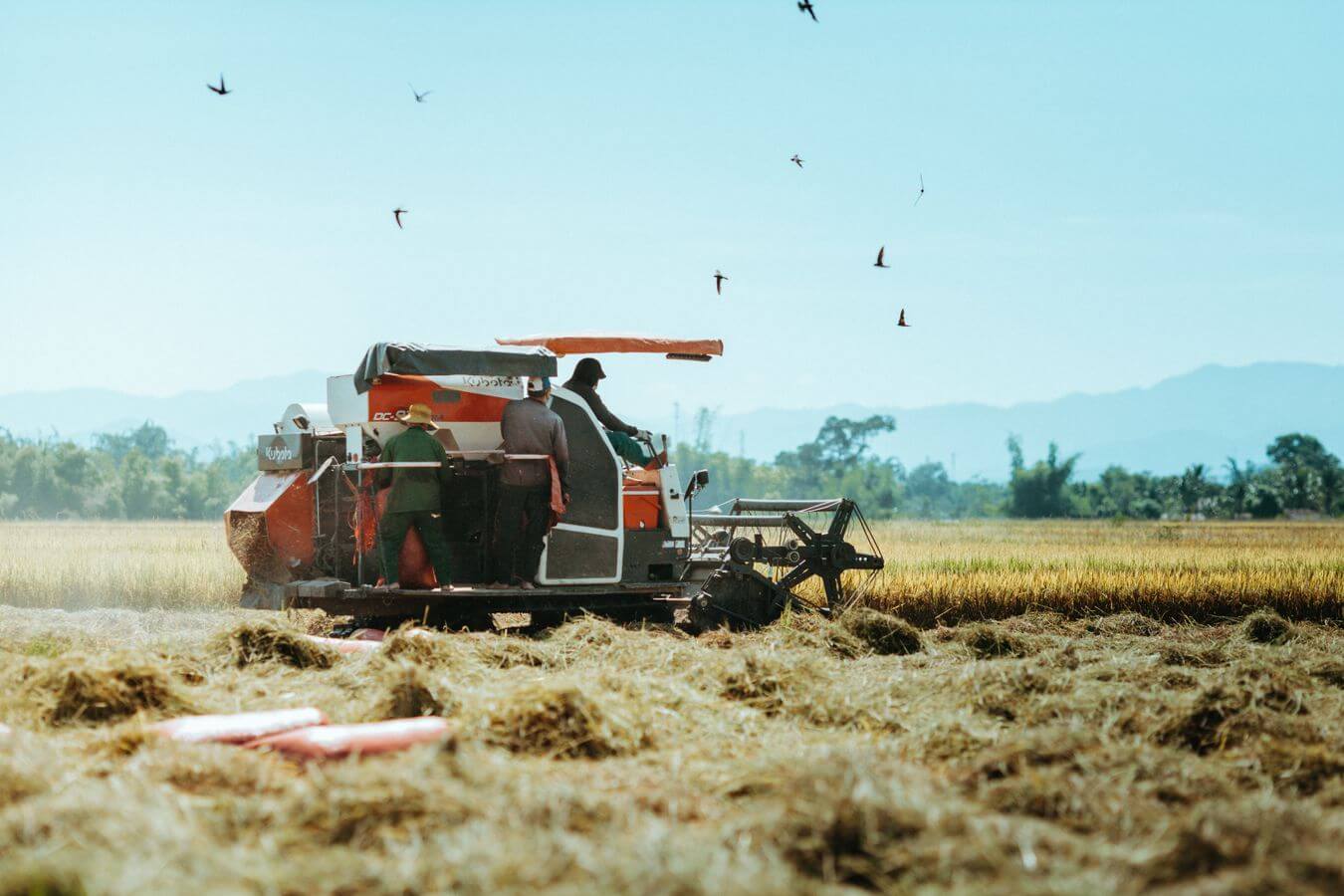
Rice is grown across Pakistan's Punjab and Sindh provinces, with the long-grain aromatic varieties concentrated in the Kalar tract of Punjab: the belt whose soil and climate give Pakistani basmati its grain length and aroma. Non-aromatic long grain, grown principally in Sindh, supplies the high-volume commodity trade.
That split is why a single origin can serve both a premium retail programme and a price-driven bulk contract. Tristar works across both, quoting against a written specification rather than a fixed catalogue, so the grade, the milling and the packing are settled before a number is put on the table.
Pakistani basmati is recognised for its extra-long slender grain, elongation on cooking and characteristic aroma: the qualities premium retail and food-service programmes are specified around.
The same origin supplies aromatic basmati, non-aromatic long grain, parboiled and broken grades, so a buyer can consolidate several lines through one supply relationship.
Pakistan's milling sector is oriented toward export specification work: sortex cleaning, grading by length and broken percentage, and packing formats built for destination markets.
Proximity to Middle East, East African and Central Asian markets, and established sailing routes from Karachi, keep freight economics workable on both bulk and containerised shipments.
Pakistan grows a well-defined set of commercial rice varieties. These are the ones most often specified by international buyers, and the ones Tristar quotes against.
The benchmark aromatic variety from Punjab, valued for extra-long slender grain, strong aroma and pronounced elongation on cooking.
An extra-long-grain basmati known for exceptional cooked-grain length, which is why it dominates food-service and biryani-format demand.
Classic long-grain aromatic rice, softer in texture than the newer selections and often specified where a traditional eating quality is wanted.
A long-grain non-aromatic variety that offers basmati-like grain length at commodity pricing, widely used where length matters more than aroma.
A short-to-medium-grain white rice from the Sindh belt, the workhorse of Pakistan's high-volume non-aromatic export trade.
A long-grain non-aromatic white rice, firmer after cooking and frequently specified for parboiling.
Rice steamed in the husk before milling, giving a firmer separate grain and better cooking tolerance. Available across basmati and non-basmati varieties as golden or creamy sella.
Graded broken fractions, from lightly broken through to 100% broken, sold as a food line and as an input to brewing, starch and feed.
A rice contract lives or dies on the specification sheet. These are the parameters a lot is graded and inspected against before it ships.
Paddy is sourced from the growing belt that suits the specification: the Punjab Kalar tract for aromatics, Sindh for non-aromatic long grain.
Paddy is dried to a stable moisture and stored in husk, which protects eating quality until milling is scheduled against an order.
Husking, whitening and polishing to the agreed milling degree. Parboiled lots are steamed in husk before milling where the contract calls for sella.
Grading by length and broken fraction, then optical sortex cleaning to remove discoloured grain and foreign matter to contract limits.
Lots are checked against the written specification before packing, with independent survey where the buyer nominates it.
Packed to the agreed format and marked for the destination market, including buyer artwork on private-label runs.
Packing is specified per order. The format drives cost, handling and shelf presentation, so it is agreed alongside the grade rather than after it.
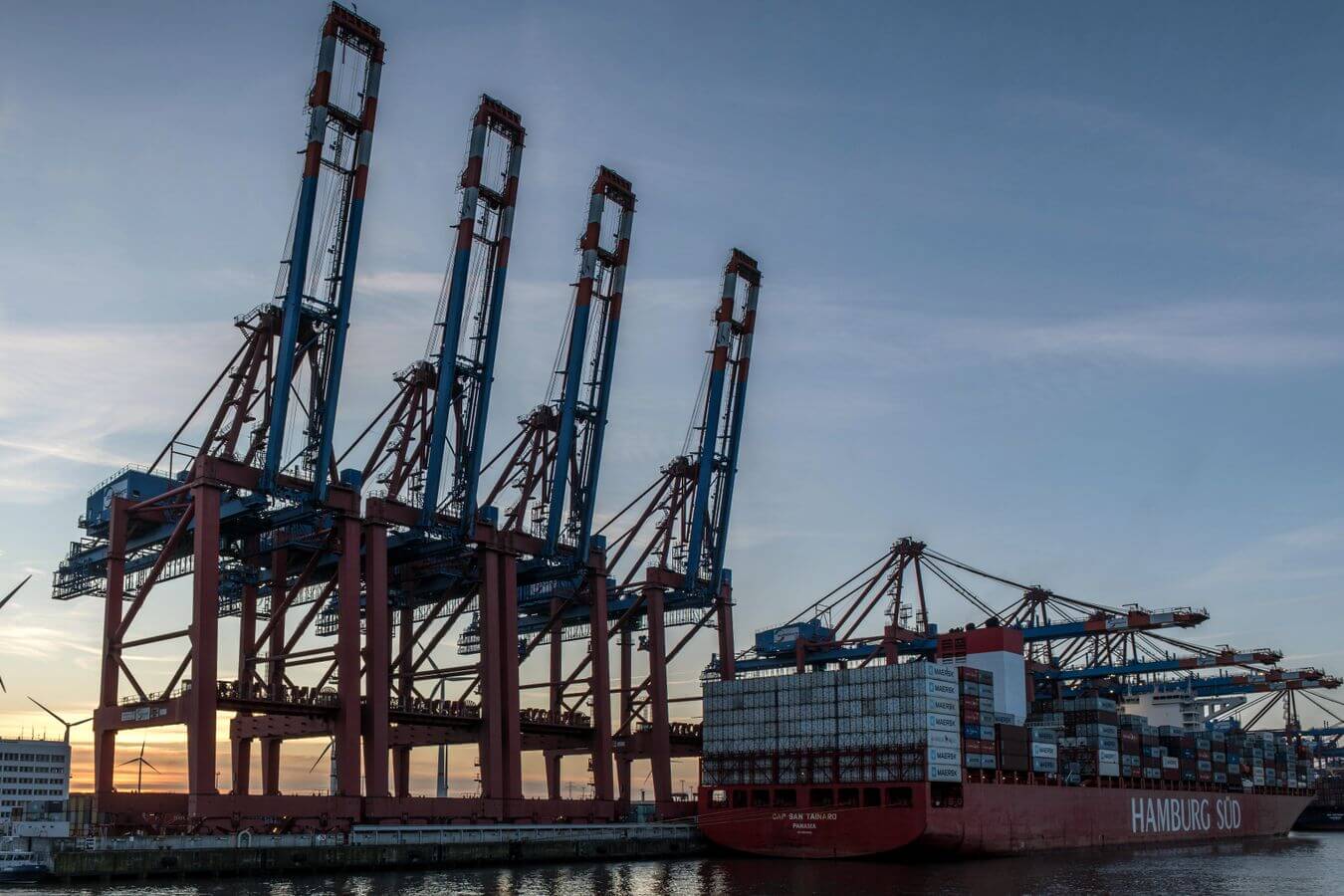
Rice moves from Pakistan in containers and in bulk, and the right choice depends on the quantity, the destination port and the shelf life the programme needs. Tristar arranges the shipment alongside the cargo, so the grade, the packing and the vessel or box are settled in one conversation rather than three.
Documentation is prepared for the destination market rather than the origin office: the commercial invoice, packing list, bill of lading, certificate of origin and the inspection and phytosanitary certificates the importing country requires.
We offer complete private-label rice solutions, allowing customers, retailers, wholesalers, distributors and food businesses to sell rice under their own brand name and packaging. From selecting the right rice variety to packaging, labelling and final presentation, we can manage the process according to your requirements.

We can provide different types and grades of rice depending on your target market, including:
The rice can also be supplied to specific requirements for grain length, aroma, moisture level, broken percentage, milling quality and overall grade.
Our private-label service lets you choose packaging that suits your brand, market and budget. Available formats include:
1 kg, 2 kg, 5 kg and 10 kg packs for the shelf.
20 kg, 25 kg and 50 kg bags.
Packaging developed to your own size requirements.
Suitable for supermarkets and retail shelves.
Designed for high-end and export markets.
For wholesalers, distributors, restaurants and food-service businesses.
Sell the rice under your own brand identity. We can accommodate customised:
You can provide your own artwork and packaging design, or packaging can be developed to your preferred style and positioning.
Depending on the product and target market, rice can be packed in different materials and styles:
The material is chosen for product protection, shelf appeal, transport requirements, shelf life and market positioning.
Private labelling lets you create products for different market segments. The same supplier can produce:
Each private-label order can be produced to agreed specifications. Quality control may cover raw rice selection, cleaning, milling, sorting, grading, packaging, weight verification and finished-product inspection, for consistency from one shipment to the next.
We also support private-label requirements for international buyers and distributors. Packaging, labelling, palletisation, carton configuration and documentation can be arranged to the requirements of the destination market and buyer.
Build and market your own rice brand without setting up your own rice processing and packaging facility. You select the rice variety, quality, packaging size and branding; we handle production and packing to the agreed specifications.
From rice selection to finished branded bags, a private-label solution tailored to your market.
A private-label programme is quoted faster when the brief arrives complete. These are the points that decide the price.
Container and bulk programmes for onward sale into wholesale and retail channels.
Branded consumer packs built for a specific shelf, market and price point.
Long-grain and parboiled formats chosen for cooking tolerance and yield in volume kitchens.
Consistent grade inputs for re-packing, ready meals and prepared foods.
Broken fractions supplied as an input to brewing, starch and snack manufacture.
Aromatic basmati including Super Basmati, 1121 and traditional basmati; long-grain non-aromatic PK-386; and IRRI-6 and IRRI-9 from the Sindh belt. White, parboiled and sella forms are available across the range, along with graded broken fractions.
Yes, and it is the preferred way to work. Send the variety, grain length, broken percentage, moisture, milling degree and packing you buy against, and the desk quotes to that rather than offering a fixed list.
Sella is parboiled: the paddy is steamed in the husk before milling, which hardens the grain, improves cooking tolerance and gives a firmer, more separate cooked result. White rice is milled without that step and cooks softer. Golden and creamy sella differ in the degree of colour the process leaves.
Yes. Private labelling is a defined programme covering pack size, material, print, regulatory marking and export packing. You supply print-ready artwork and the specification; we confirm the technical requirements before a run is scheduled.
Both. Containerised shipment suits packed retail and mid-size programmes; bulk suits high-volume non-aromatic contracts. The shipping desk arranges the tonnage alongside the cargo so routing and packing are decided together.
The set is agreed in the contract and prepared for the destination market: typically commercial invoice, packing list, bill of lading, certificate of origin, and the inspection and phytosanitary certificates the importing country requires.
Variety, grain length, broken percentage, moisture, packing and destination, with those the desk can quote properly instead of coming back with questions.