

Rice husk
The husk removed during rice milling, generated continuously by the milling sector and widely used as an industrial boiler fuel.
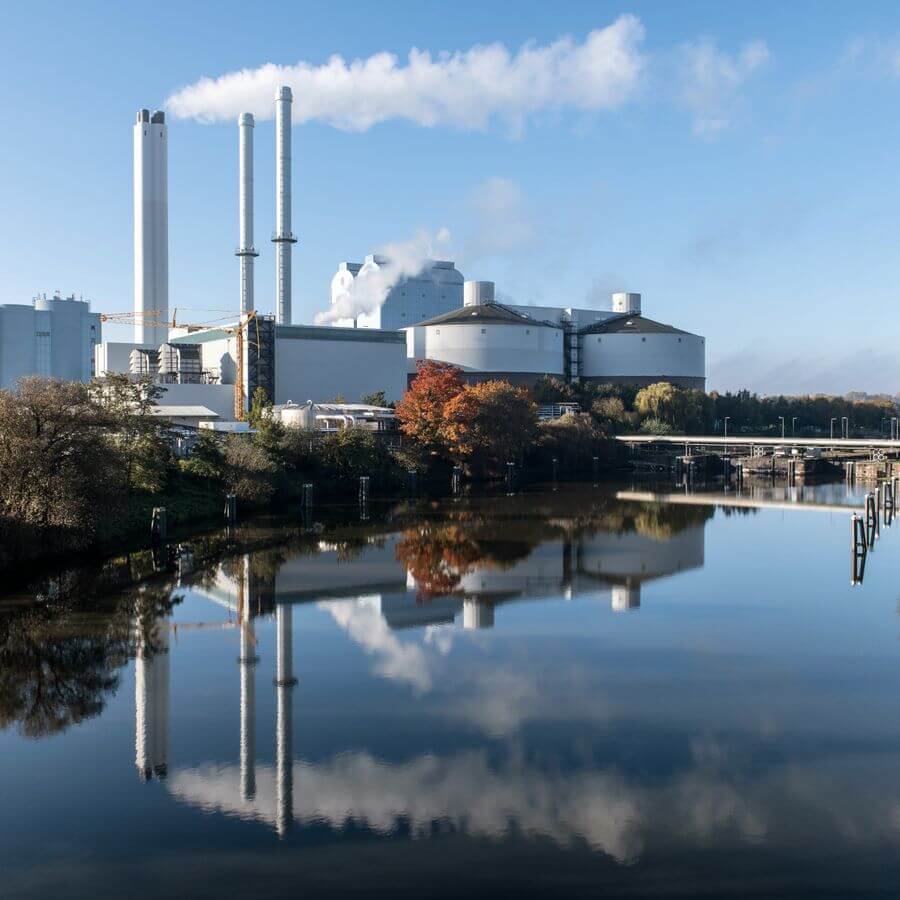
Agricultural residues, pellets and briquettes sourced and supplied against declared calorific value, moisture and ash: the renewable technology that behaves most like a commodity trade.
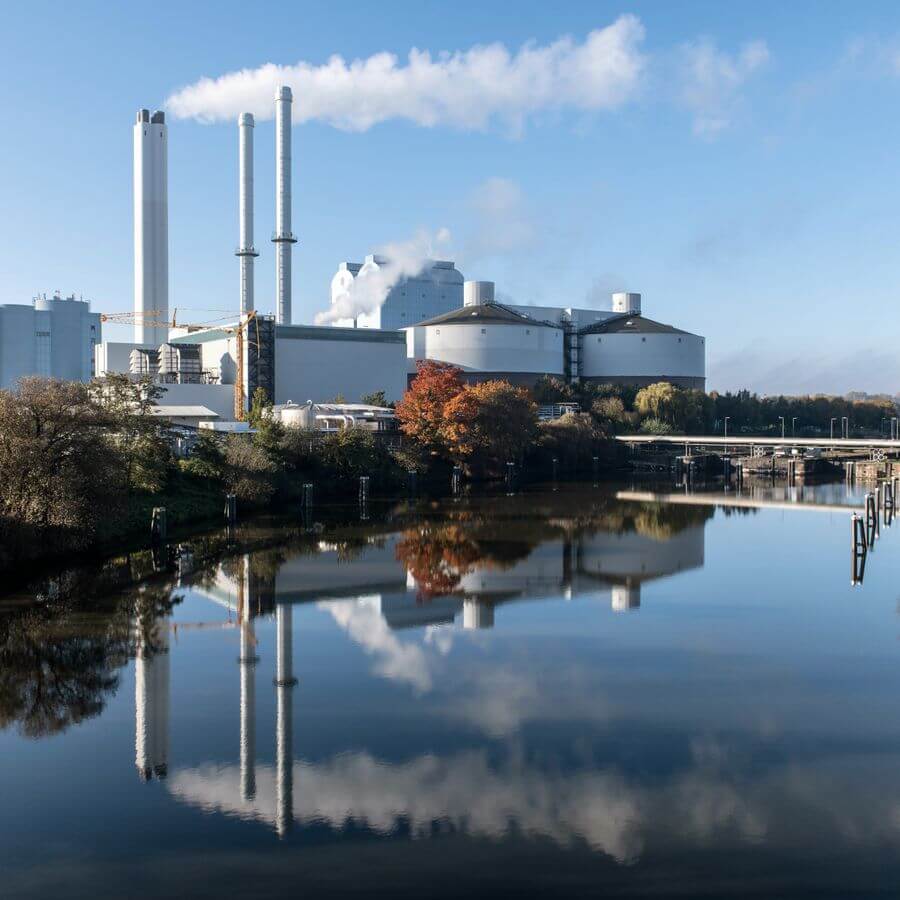
Biomass converts organic material (agricultural residues, wood, processing by-products) into heat and power. Unlike solar or wind, its economics are driven by fuel supply: a biomass plant is only as viable as the feedstock contracts behind it, and that makes it a sourcing and logistics business.
That is the part Tristar knows. Pakistan's rice, wheat and sugarcane sectors generate substantial residues (husk, straw and bagasse) and biomass fuel is specified, contracted and verified in exactly the way an agricultural commodity is.
Calorific value, moisture and ash are declared and verified, exactly as protein and moisture are on a grain contract.
Rice husk, wheat straw and bagasse are generated as by-products of existing agriculture, rather than grown specifically for fuel.
Pelleting and briquetting turn a bulky, low-density residue into something economic to move and store.
Unlike solar and wind, biomass generation can run to demand, which is why industrial users specify it for process heat.
Biomass is traded as raw feedstock, as densified fuel, and as the equipment that converts one into the other.
The husk removed during rice milling, generated continuously by the milling sector and widely used as an industrial boiler fuel.
Field residues from cereal harvest, baled or chopped, used as boiler fuel and as a pelleting feedstock.
The fibrous residue left after sugarcane crushing, used extensively for on-site generation at sugar mills and traded where surplus exists.
Densified fuel pellets of consistent size and moisture, the format that makes long-distance biomass trade viable.
Compressed biomass in larger formats than pellets, suited to boilers designed for a coarser fuel.
Pelletising and briquetting lines, dryers, hammer mills and handling equipment for producers moving up the value chain.
Calorific value, moisture, ash and particle size or pellet dimension agreed in writing before pricing.
Residues sourced from the milling and processing sectors that generate them, with seasonality accounted for honestly.
Pelleting or briquetting where freight distance or the buyer's boiler makes it worthwhile.
Lots analysed against the contract before shipment, with independent sampling where the buyer nominates it.
Biomass gains moisture readily, so storage and loading conditions are part of the specification rather than an afterthought.
Bulk or containerised movement arranged through the shipping desk, with density driving the freight decision.
Boilers in textile, food, paper and chemical plants displacing gas or coal.
Dedicated biomass plants and co-firing alongside conventional fuels.
Combined heat and power at mills and processing sites using their own residues.
High-temperature processes substituting biomass for part of their fossil fuel input.
Pellet-fired heating in commercial and institutional buildings.
Biomass is treated as renewable because the carbon released on combustion was absorbed by the plant as it grew. Whether that holds in practice depends on the feedstock and the supply chain: residue-based fuel from existing agriculture stands on much firmer ground than fuel from purpose-cleared land.
Residues also have alternative uses, and diverting them has consequences worth acknowledging. Tristar's position is to trade residue-based feedstock, to state the analysis honestly, and not to make sustainability claims that a buyer's own reporting could not stand behind.
Principally agricultural residues: rice husk from milling, wheat straw from cereal harvest, and bagasse from sugarcane crushing. These are by-products of existing agriculture rather than purpose-grown fuel crops.
On analysis, like any commodity: calorific value, moisture, ash content and particle size or pellet dimension. Those are declared in the contract and verified before shipment.
Density. Raw residues are bulky and expensive to move; pelleting and briquetting raise bulk density, cut dust, improve storage and make longer-distance trade economic. Whether it is worth it depends on route and the buyer's boiler.
Partly. Residue generation follows harvest and crushing seasons, so the contract window matters. Storage smooths some of that, and the desk will say what is realistic for a given delivery period rather than assume year-round parity.
No. Tristar sources and trades biomass feedstock and fuel, and sources processing equipment for producers. It does not own or operate generation assets.
Fuel type, calorific value, moisture, ash and volume, plus your boiler and destination: enough to quote a biomass supply contract properly.