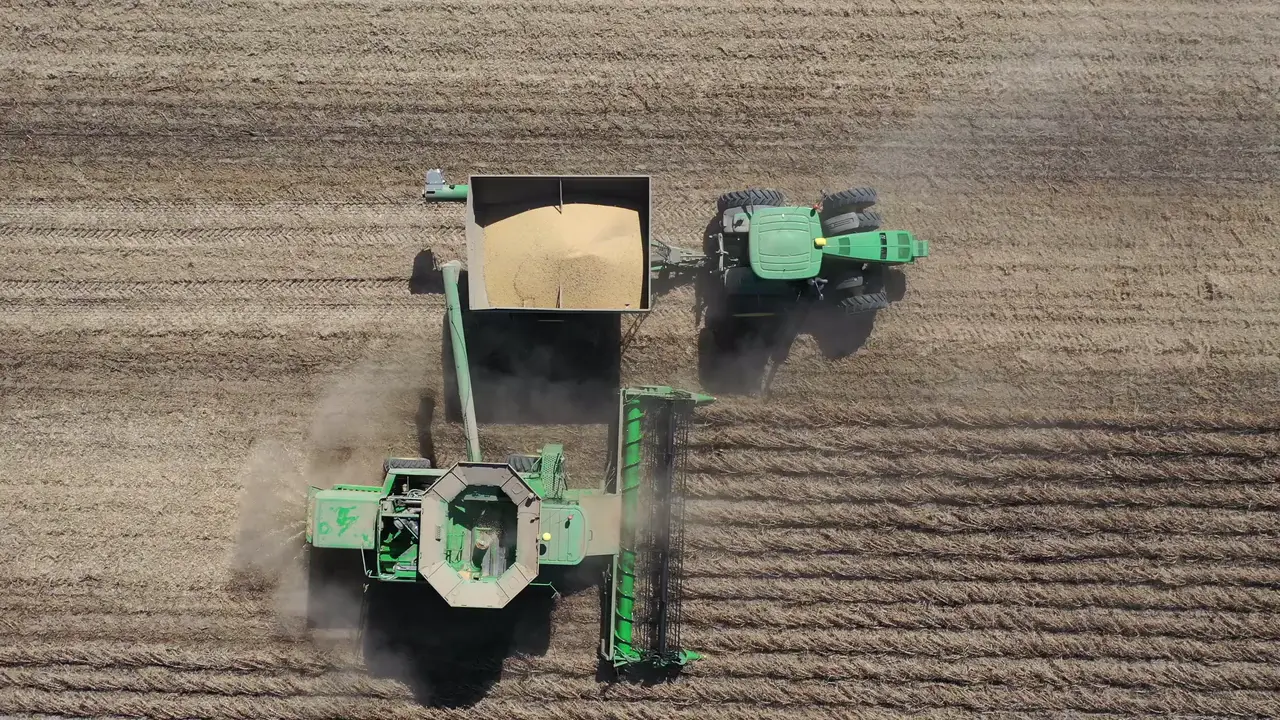


Pakistan-origin commodity trading, specified in writing
Rice, sugar, salt, bran and wheat sourced from Pakistan against the specification you buy on: graded, inspected and documented for the market it is going to.
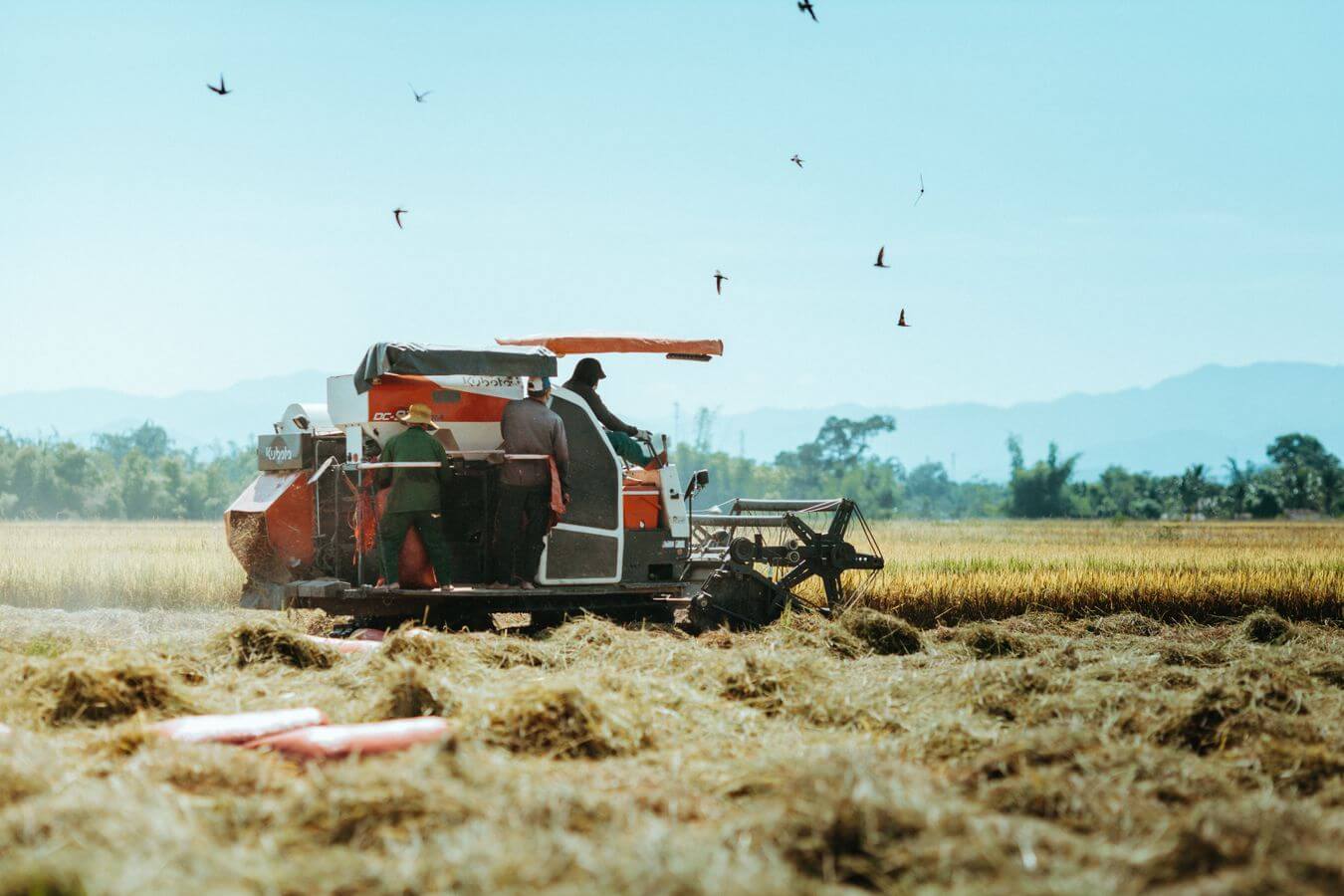
A trading desk that starts with the specification, not the price.
Tristar trades five agricultural commodity groups out of Pakistan. Each is bought and sold against a written specification (variety or grade, moisture, purity, packing and delivery window) agreed before a number is quoted. It is a slower first conversation and a much shorter second one.
Buyers are importers, wholesalers, distributors, food manufacturers and feed mills. What they have in common is that they buy against a document, and they need the cargo, the paperwork and the shipment handled by people who talk to each other.
Five commodity groups, each with its own specification.
Five commodity groups, each with its own page covering product types, grading, packing and export.
Rice
Basmati and non-basmati rice from Punjab and Sindh, white, parboiled and sella, plus private-label packing under your own brand.
Explore riceSugar
Refined, granulated and industrial grades supplied against declared ICUMSA colour, polarisation and moisture.
Explore sugarSalt
Himalayan pink salt, rock salt and refined edible and industrial grades in crushed, granulated and powdered forms.
Explore saltBran
Rice bran, de-oiled rice bran and wheat bran for feed mills and oil extractors, contracted on analysis.
Explore branWheat
Milling and feed grades specified by protein band, moisture and test weight, in bags or bulk.
Explore wheatFrom enquiry to discharge.
-
01
Specification
The grade, moisture, purity, packing and delivery window are agreed in writing. Nothing is left to interpretation.
-
02
Sourcing
Material is sourced from the growing or processing region that matches the specification, not the one that is easiest to reach.
-
03
Inspection
Lots are verified against the contract before loading, with independent survey where the buyer nominates it.
-
04
Packing
Packed to the agreed format and marked for the destination, including buyer artwork on private-label programmes.
-
05
Shipment
Tonnage or containers arranged through the shipping desk, so cargo and carriage are decided together.
-
06
Documentation
Prepared for the destination market: the difference shows up at the port of discharge, not the port of loading.
What buyers get from working this way.
-
Specification before price
Grade, moisture, broken percentage and packing are agreed in writing before a number is quoted, which is what prevents a dispute on arrival.
-
Inspection before shipment
Lots are verified against the contract prior to loading, with independent inspection wherever the buyer wants it.
-
Documentation that clears
Export paperwork is prepared for the destination market rather than the origin office.
-
Cargo and carriage in one place
The shipping desk sits alongside the trading desk, so a cargo problem does not become three separate conversations.
-
One counterparty, five commodities
A mixed programme across rice, sugar, salt, bran and wheat does not require five suppliers.
-
Karachi-based, globally directed
A working port city as the operating base, and delivery to buyers outside Pakistan.
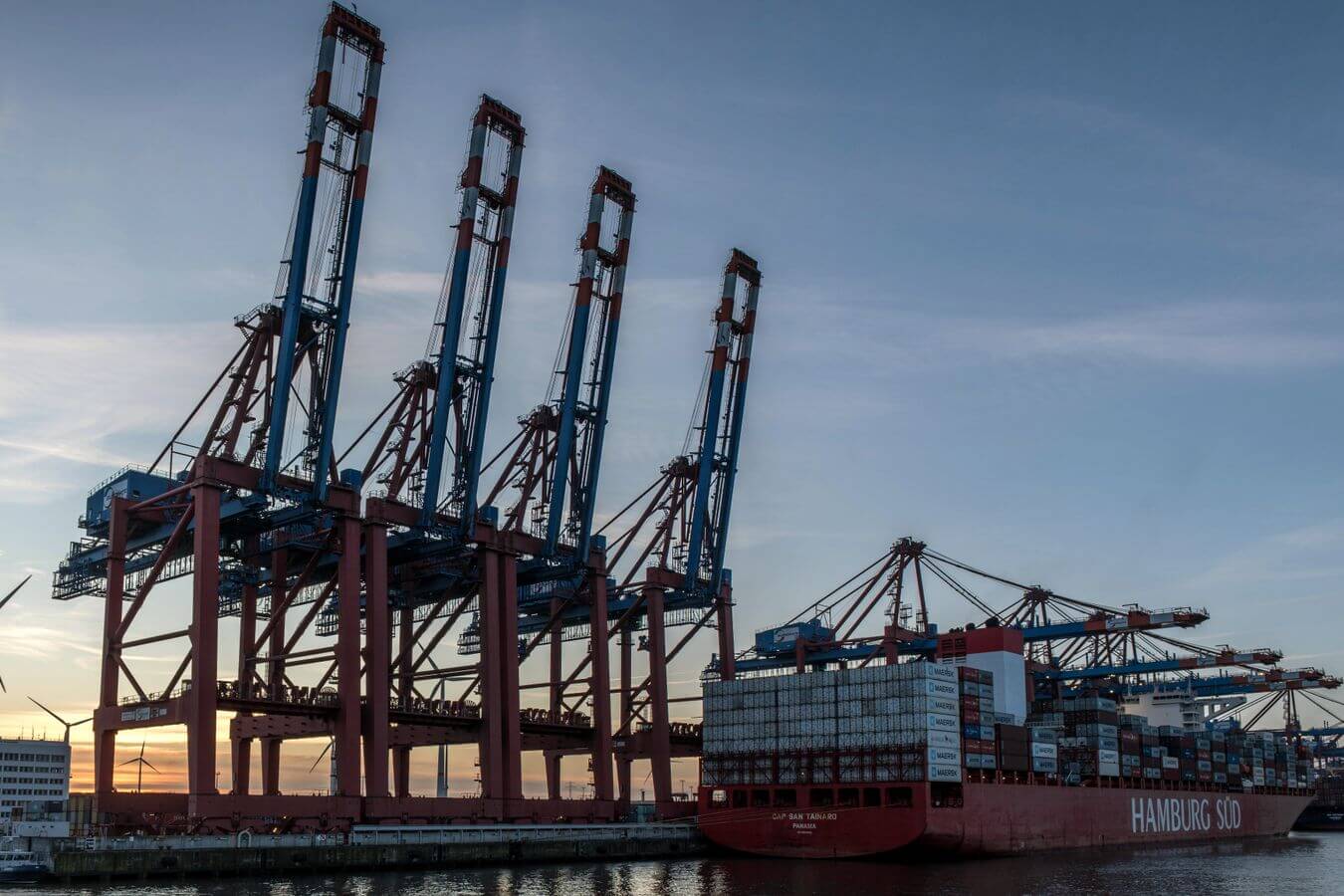
Where the cargo goes.
Pakistan's position gives short, established sailings into the Gulf, East Africa and South and Central Asia, with longer routes into Europe, the Far East and North America. Which of those works commercially depends on the commodity, the packing and the quantity: the answer for a container of branded rice is not the answer for a bulk grain parcel.
Rather than claim a presence everywhere, the desk will tell you plainly which routes and formats make sense for what you are buying, and where the freight economics stop working.
- Containerised and bulk shipment
- Route and format advised per commodity
- Documentation prepared for the destination market
- Inspection coordinated where nominated

Stated plainly, without overclaiming.
Every contract carries a written specification and an agreed inspection regime. Independent surveyors are used wherever a buyer nominates one, and the inspection and phytosanitary certificates required by the importing country are prepared as part of the shipment.
Where a claim cannot be substantiated, it is not made. That applies to certifications, volumes and capabilities alike: a trading relationship survives on what was true in the first shipment, not on what was implied in the first conversation.
The other business areas work to the same standard.
One counterparty for the cargo, the plant and the tonnage, handled by desks that talk to each other daily.

What buyers ask the trading desk.
Which commodities does Tristar trade?
Rice, sugar, salt, bran and wheat, all sourced in Pakistan and sold to importers, wholesalers, distributors, food manufacturers and feed mills abroad. Each has its own page setting out product types, grading, packing and export.
Do you sell against a buyer's specification?
Yes, and it is the preferred way to work. Send the written specification you buy against and the desk quotes to it rather than offering a fixed list.
Who inspects the cargo before shipment?
Lots are checked against the contract before loading, and buyers are free to nominate their own independent surveyor. The inspection regime and who bears the cost are set in the contract before shipment.
Can one contract cover more than one commodity?
Yes. A mixed programme across the five groups runs through one counterparty, and the shipping desk can arrange the tonnage for it.
What documentation comes with a shipment?
The set is agreed in the contract and prepared for the destination market: typically commercial invoice, packing list, bill of lading, certificate of origin, and the inspection and phytosanitary certificates the importing country requires.
Can you pack under our own brand?
Yes, for rice. Private labelling is run as a defined programme covering specification, pack format, print and destination marking: set out in full on the rice page.